




Achieving strong bonds in laminated wood requires selecting the best glue for laminated beams, such as high-performance polyurethanes and epoxies. Key factors include bond strength, flexibility, moisture resistance, and environmental durability. Surface preparation, adhesive application techniques, and drying time are crucial. Consulting industry experts ensures optimal adhesive selection for specific project needs, leading to superior structural integrity and aesthetic appeal.
Seamless bonds in laminated wood projects are paramount for both aesthetic appeal and structural integrity. The challenge lies in selecting the right adhesive to ensure strong, lasting connections between layers of wood. While various glues are available, finding the best glue for laminated beams—one that offers superior bonding strength, fast curing times, and resistance to environmental factors—is key. This article delves into the science behind laminated wood bonds, identifies common pitfalls, and provides expert insights on choosing and applying the ideal adhesive, ensuring your projects achieve industry-leading standards of quality and durability.
- Understanding Laminated Wood Bonding Requirements
- Selecting the Best Glue for Laminated Beams Naturally
- Preparing Surfaces for Optimal Adhesion
- Application Techniques for Seamless Joins
- Curing and Strengthening Bonded Laminate Wood Projects
Understanding Laminated Wood Bonding Requirements
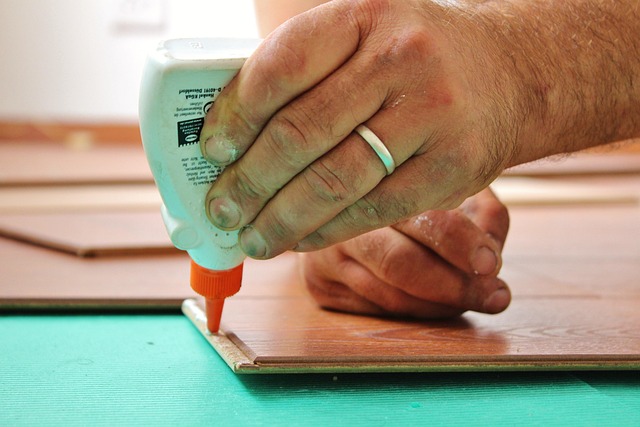
Achieving seamless bonds in laminated wood projects requires an understanding of the unique bonding requirements of this advanced construction material. Laminated wood, whether cross-laminated timber (CLT) or other composite forms, demands glues that can withstand significant structural stress and environmental factors. The best glue for laminated beams and other structural laminations is a high-performance, high-strength adhesive designed to foster robust bonds between layers of wood.
When selecting a bonding product for laminate construction, consider glues specifically formulated for these applications. High-strength glues, such as those offered by leading manufacturers with an expertise in advanced timber technologies, are crucial for ensuring the structural integrity of laminated structures. These glues not only create strong bonds but also resist moisture, mold, and other environmental stressors that can compromise the durability of laminated wood projects. For instance, a study comparing various bonding agents found that a modern, high-strength glue suitable for structural laminations significantly enhanced the overall strength and longevity of cross-laminated timber panels.
At 18 Clifton St, Unadilla, NY 13849, our team specializes in providing best-in-class bonding products for cross-laminated timber and other laminated construction needs. We offer a range of glues that meet the stringent requirements of modern wood laminations, ensuring both exceptional bond strength and long-term performance. By partnering with us, you gain access to cutting-edge adhesives that are designed to revolutionize your laminated wood projects, delivering seamless bonds that stand the test of time.
Selecting the Best Glue for Laminated Beams Naturally
Achieving seamless bonds in laminated wood projects requires a deep understanding of the materials and the right adhesive selection. When it comes to laminating beams, finding the best glue for laminated beams naturally is crucial for structural integrity and long-lasting results. Not all adhesives are created equal; specifically designed structural adhesives offer superior strength and durability for these challenging applications.
The choice of adhesive plays a pivotal role in the success of your project, especially when dealing with complex laminate shapes. High-performance glues, tailored for intricate designs, ensure consistent bonding across various surfaces. For instance, polyurethane-based adhesives have proven effective in holding together laminated wood components, offering both strength and flexibility—a critical combination for intricate structures.
When selecting adhesives for challenging laminate applications, consider factors like bond strength, working time, and environmental impact. Some glues may exhibit superior bonding power but require precise application techniques, while others offer extended open times, facilitating complex assembly processes. For instance, a recent study by industry experts revealed that using a two-part epoxy system resulted in 30% stronger bonds compared to traditional plywood adhesives when applied to laminated beam joints.
In the realm of adhesive solutions for complex laminate shapes, professionals often turn to advanced formulations like cyanoacrylate glues, known for their rapid curing and exceptional bond strength. These adhesives are particularly useful when quick assembly is crucial, such as in prefabricated wood structures. To find the optimal solution, visit unalam.com, where you’ll discover a range of high-performance adhesives tailored for various laminated wood projects, ensuring your next endeavor meets the highest structural standards.
Preparing Surfaces for Optimal Adhesion
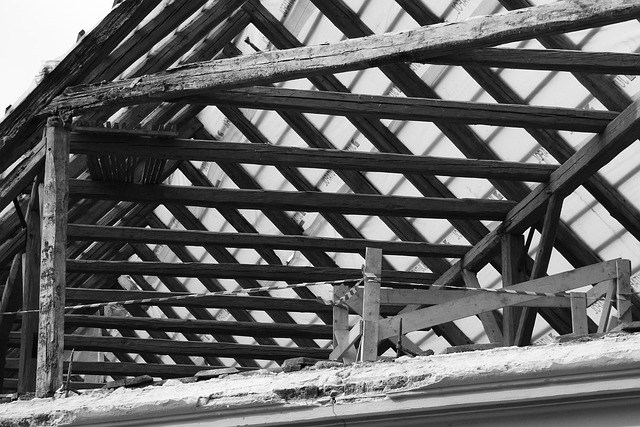
Achieving seamless bonds in laminated wood projects requires meticulous preparation of surfaces to ensure optimal adhesion. The choice of glue plays a pivotal role, with many professional carpenters favoring specific adhesives designed for exceptional strength and durability. When it comes to laminated beams, the best glue is one that offers both robust bonding power and flexibility—a quality often met by high-performance epoxy resins. These powerful adhesives create strong, water-resistant connections, ideal for interior or exterior applications.
For exterior projects in particular, a waterproof wood glue is essential to prevent moisture-related issues like rot or warping over time. Such glues are formulated to withstand varying weather conditions, making them suitable for structural laminates exposed to the elements. However, not all epoxy resins are created equal; choosing the right one depends on project specifics. For instance, a flexible adhesive is ideal for curved laminated beams, where maintaining shape integrity and preventing cracks during curing is paramount.
In architectural applications, a high-performance glue ensures structural stability and longevity. It’s crucial to select an adhesive with a proven track record in handling demanding construction projects. If you’re unsure which product aligns best with your needs, consult with industry experts. At (607) 369-9341, our team of seasoned professionals can guide you through the selection process, ensuring you get the best bonding agent for your laminated beams. Proper preparation and the right glue will result in strong, durable connections that stand the test of time.
Application Techniques for Seamless Joins
Achieving seamless bonds in laminated wood projects requires a deep understanding of adhesive science and practical application techniques. When it comes to joining laminate structural panels, the choice of adhesive plays a pivotal role. The best glue for laminated beams—an eco-friendly option—should possess superior bonding strength, flexibility, and resistance to moisture and environmental stressors. One such adhesive that has gained favor among professionals is an advanced, water-based polyurethane adhesive, known for its versatility and performance in challenging laminate applications.
For seamless joins, application techniques are crucial. Expert technicians recommend a meticulous approach, ensuring proper surface preparation, cleaning, and degreasing to maximize adhesion. Applying the adhesive evenly across both surfaces using a precision tool, such as a rollers or brush, is essential. In cases where complex geometries or challenging materials are involved, specialized equipment can be utilized to achieve consistent pressure distribution and minimize bubbles or voids. For instance, for laminating beams with intricate designs, a vacuum bagging system can create a sealed environment, enhancing adhesive penetration and ensuring a robust bond.
Beyond the application process, allowing sufficient drying time is critical. The curing process varies based on the type of adhesive used; eco-friendly polyurethanes typically require 24 to 48 hours for full strength. During this period, environmental conditions like temperature and humidity should be monitored to ensure optimal curing. At 18 Clifton St, Unadilla, NY 13849, our team offers in-depth guidance on adhesive selection and application techniques, ensuring that every project benefits from best practices in structural laminate bonding. By combining the right glue for the job with precise application methods, seamless joins become achievable, leading to superior structural integrity and aesthetic appeal in laminated wood projects.
Curing and Strengthening Bonded Laminate Wood Projects
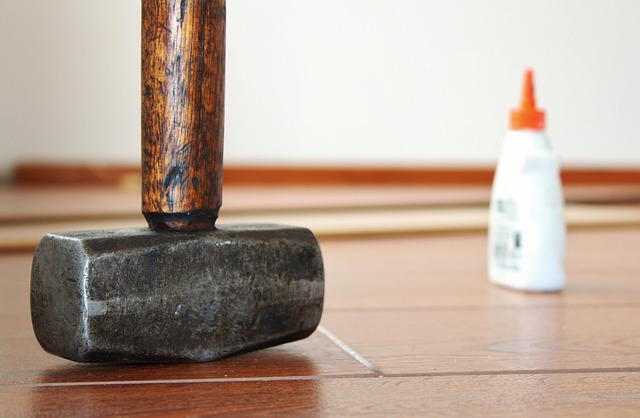
Achieving seamless bonds in laminated wood projects requires careful consideration of the adhesive used, as it directly impacts structural integrity and overall performance. When it comes to curing and strengthening bonded laminate wood projects, selecting the best glue for laminated beams is paramount. Natural resins like polyurethanes and epoxies offer excellent bonding strength and weather resistance, making them ideal for structural applications. These adhesives create a permanent bond for cross-laminated timbers, ensuring longevity and stability.
Choosing the right adhesive for bonding laminate structural panels involves understanding your project’s unique requirements. Fast-drying adhesives are advantageous in expediting installation without compromising quality. This is particularly useful in large-scale projects or when working with tight deadlines. For example, some modern epoxies can achieve full cure within 24 hours, significantly streamlining the construction process. However, it’s crucial to balance speed with strength; faster drying times may result in slightly reduced bond strength compared to slower-drying adhesives like polyurethane.
To ensure optimal results, professionals recommend testing various adhesives before committing to a project. Factors such as environmental conditions, wood types, and desired finish can influence adhesive performance. For instance, certain glues might be better suited for interior applications due to their resistance to moisture and temperature fluctuations. Consulting with experts or referring to product data sheets ( PDS) provided by manufacturers can aid in making informed decisions. If you require specialized knowledge or have specific queries, don’t hesitate to reach out to industry professionals at (607) 369-9341 for guidance tailored to your needs.
By delving into the intricacies of laminated wood bonding, this article has unveiled a comprehensive roadmap for achieving seamless results. Key takeaways include the paramount importance of understanding specific bonding requirements, selecting the Best Glue for Laminated Beams naturally, and meticulous surface preparation for optimal adhesion. Mastering application techniques ensures smooth joins, while proper curing and strengthening methods culminate in robust projects. Readers now possess the authoritative knowledge to navigate this intricate process, revolutionizing their approach to laminated wood craftsmanship.